
Healthy Cooking METHODS
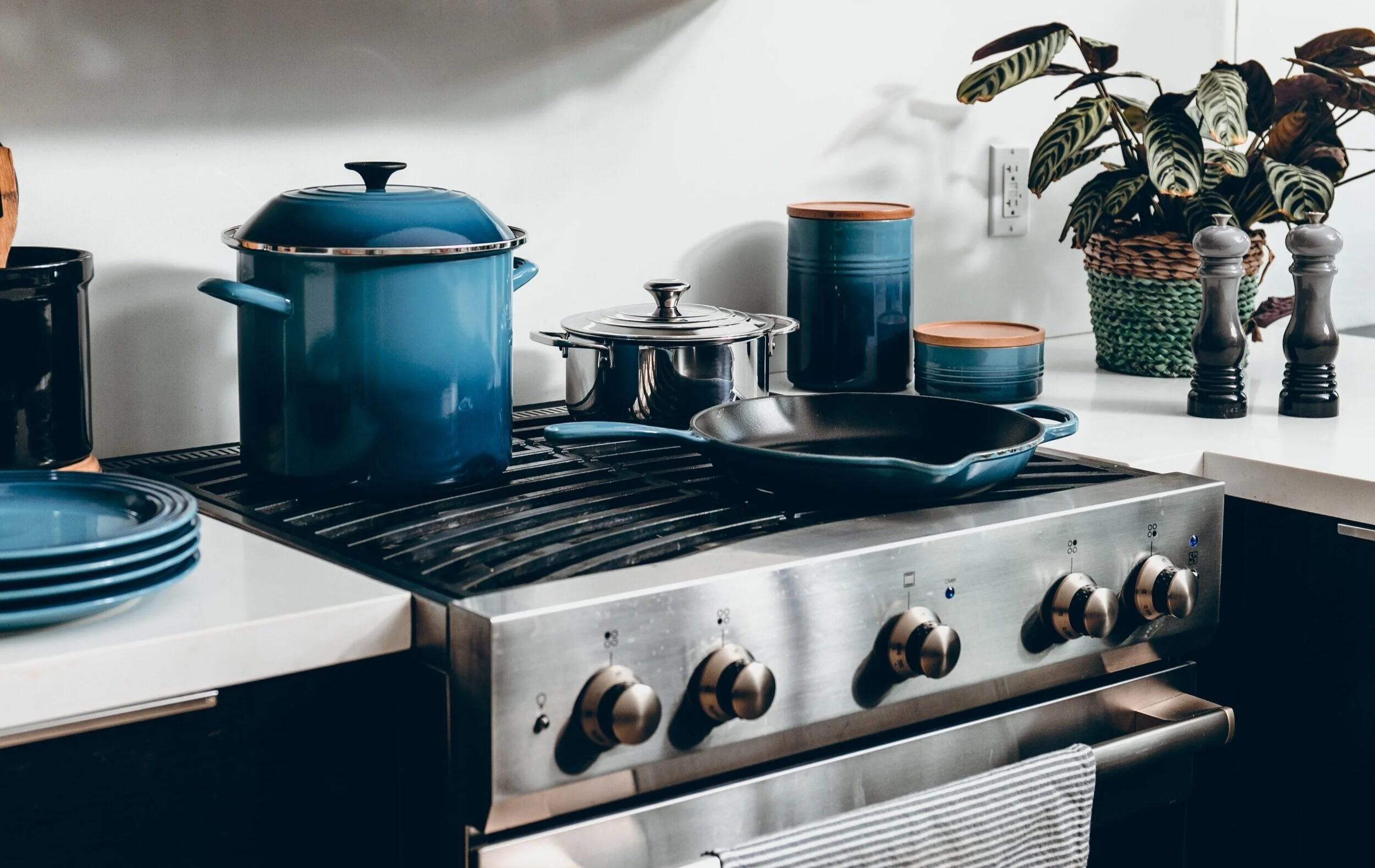
By experimenting with these techniques, you can create flavorful, healthy meals that fit your lifestyle. Combine methods to maximize texture, taste, and nutritional value—whether you’re cooking for yourself or sharing with friends and family. Enjoy the process of creating meals that are both satisfying and nourishing!
Steaming
Why It’s Healthy: Steaming is one of the simplest ways to cook vegetables while preserving their nutrients. Cooking with steam keeps vegetables crisp and flavorful, especially when using a flavorful broth or seasonings in the water.
How to Do It: Steam leafy greens like chard, kale, and collard greens, or veggies like broccoli, carrots, and asparagus. Bok choy and spinach cook quickly, so keep an eye on them.
Tip: For a crunchy finish, plunge steamed veggies in cold water right after cooking.
Equipment: Use a steaming basket above 2-3 ounces of water. Microwave steaming in glass or ceramic is also an option—avoid plastic containers.
Sautéing
Why It’s Healthy: Sautéing quickly cooks food in minimal fat over relatively high heat. With this method the food is cooked quickly and the integrity of the flavor and texture remains intact. This technique is essential to many recipes including stews but it's also used to fully cook whole dishes. The browning achieved by sautéing lends richness to meats and produce.
How to Do It: Use a stainless steel sauté pan. Heat a small amount of oil and cook tender vegetables like bell peppers and snap peas, or thin cuts of meat. For firmer veggies, blanch them briefly before sautéing.
Perfect Pairing: Try sautéed chicken with a simple pan sauce for a quick, flavorful dish.
Air Frying
Why It’s Healthy: Air frying uses rapid air circulation to crisp food with up to 80% less oil than traditional frying. It’s perfect for making low-calorie versions of fried foods.
How to Do It: Lightly coat food with a small amount of oil. Foods like sliced vegetables, lean proteins, and even healthy snacks like chickpeas are ideal for air frying.
Equipment: Use an air fryer and experiment with timing to find the ideal crispiness.
Roasting
Why It’s Healthy: Roasting is a dry-heat cooking technique that relies on air to transfer heat. Dry-heat cooking, unlike wet-heat cooking methods like braising, does not involve submerging the food in liquid, which gives successfully roasted food a brown, crispy exterior, and tender interior.
Roasting is also great for caramelizing vegetables. Hearty vegetables—beets, carrots, potatoes, winter squash, cauliflower, brussels sprouts, sweet potatoes, zucchini, turnips, and parsnips to name a few—tossed in olive oil, kosher salt, and black pepper make for a delicious and easy side dish or a vegan main.
How to Do It: For poultry, seafood, and meat, place a rack inside the roasting pan so that the fat in the food can drip away during cooking. To maintain moisture, cook foods until they reach a safe internal temperature but don't overcook them.
Equipment: Use a conventional or convection oven (which speeds up cooking by circulating air). Oven-roasting is relatively hands-off, making it ideal for foods that benefit from prolonged cooking.
searing
Why It’s Healthy: Searing locks in juices and flavor by quickly browning food at high temperatures. Often followed by another cooking method, searing is a powerful flavor-enhancer. other proteins. Yep, it’s hot and intense. Heat a pan on high heat and use a small amount of oil (add link to recommended oils) for a golden crust to meat and proteins. Finish cooking with another cooking method such as braising or roasting.
How to Do It: Use a small amount of high-smoke-point oil in a cast iron or carbon steel pan. Sear meats, seafood, or vegetables until golden. This is often done on the stovetop. Another reason why it is important to invest in quality pans as lighter nonstick pans cannot withstand the intense heat needed for searing.
Tip: Deglaze the pan with a splash of broth or wine after searing for a flavorful sauce. Cast-iron pans—they get white-hot and put incredible brown crusts on meat. Lighter nonstick pans cannot withstand the intense heat needed for searing.
Microwaving
Why It’s Healthy: Microwaving is fast, using short cooking times which results in minimal destruction of nutrients. Microwaves cook food by heating from the inside out. They emit radio waves that activate the molecules in food, which generates heat, cooking the food
How to Do It: Splash water on food or cover with a damp towel to prevent drying out. Microwave-safe containers (glass or ceramic) are essential.
What to Microwave: With microwave cooking there’s no need for oils you can microwave just about anything, vegetables, grains, and proteins like eggs or fish cook well in the microwave. Sweet corn and potatoes are some of our favorite.
Tip: Glass containers are best.
Stir-Frying
Why It’s Healthy: A traditional Asian method stir-frying cooks uniformed pieces of food quickly, preserving crunch and natural flavors with minimal oil.
How to Do It: Use a cast iron or carbon steel wok. Heat a small amount of oil until very hot, then add ingredients, stirring constantly.
Flavor Tip: A well-seasoned wok enhances the flavor (known as “wok hay”) and gives a slight smoky aroma. Avocado oil is ideal for stir-frying
Boiling
Why It’s Healthy: Boiling is quick and easy, but certain vitamins (especially water-soluble ones) can leach into the cooking water.
How to Do It: Use lightly salted water and aim to cook for a short time to reduce nutrient loss.
Best for: Quick-cooking items like pasta, eggs, and certain vegetables.